
Here is the thing nobody selling you a "100% pashmina" scarf at a market stall wants to admit. Pashmina is cashmere. It is not a competitor to cashmere, not an upgrade from it, not some separate luxury fibre. It is one particular, very fine kind of cashmere, combed from one particular goat. So the head-to-head everyone wants, cashmere vs pashmina, is really cashmere against a thin slice of itself, wrapped in a hundred years of mislabelling.
That sounds pedantic until you have paid for the difference. Then it matters.
Two Words, One Fibre
Cashmere is the soft undercoat that certain goats grow to survive winter. The word comes from Kashmir, where the trade was organised long before anyone in London had heard of it. The down is combed out by hand in spring as the animal moults, separated from the coarse guard hairs, then spun and woven. Any goat producing that fine undercoat is, technically, giving you cashmere.
Pashmina is the Persian word for that same down, *pashm* meaning wool. But over centuries the term narrowed. It came to mean the finest cashmere of all, from the Changthangi goat that lives on the Changthang plateau of Ladakh, up above 4,000 metres where the temperature falls past minus thirty. A goat does not grow a coat like that for decoration. The cold spins it.
So when a vendor offers you "cashmere or pashmina, which would you prefer," they are offering you a choice that does not really exist. One is the family. The other is a member of it.
The Numbers That Actually Separate Them
If there is a real distinction, it is fineness, measured in microns. A micron is a thousandth of a millimetre, and a few of them is the whole game.
- Most commercial cashmere runs around 14 to 19 microns.
- True Changthangi pashmina sits finer, roughly 12 to 16 microns.
Two or three microns does not sound like much. On your neck it is the difference between soft and barely-there. Finer fibre drapes closer, feels cooler against the skin, and can be spun into something almost weightless. It is also harder to work. The thread snaps on a machine loom, which is why the best pashmina is still woven by hand, slowly, the way it has been for generations. That fragility is the reason it costs what it costs, and the reason it is so easy to fake.
For a longer look at how cashmere as a whole compares with sheep's wool, we wrote a separate piece on wool versus cashmere that covers the warmth-to-weight side of things.
Why "Pashmina" Is Usually a Lie
Walk through any tourist market from Delhi to Edinburgh and you will see "pashmina" on a rail of scarves selling for the price of a sandwich. They are almost never pashmina. Most are viscose, a wood-pulp fibre, or a polyester blend with a bit of silk thrown in for sheen. The word is not protected the way "champagne" is, so anyone can print it on a label.
There is even an old, slightly cruel trick for telling fake from real: rub the fabric hard and a synthetic will spark or feel warm from friction, where genuine cashmere stays cool and quiet. It is not foolproof, but it tells you how routine the deception is, that buyers needed a parlour trick to defend themselves.
This is the part that annoys me. A genuinely good fibre has been so thoroughly counterfeited that the word "pashmina" now signals cheapness to a lot of people, which is exactly backwards. The goat is real. The plateau is real. The dishonest labelling did the damage.
Where We Stand on It
We will not put "100% pashmina" on something that is not, so we do not. What we call our Pashmina is an honest blend: 30% pashmina from the Changthangi goat, 70% lamb's wool. The cashmere brings the softness and the close drape, the lamb's wool brings structure and stops it pilling into nothing after a season. It is labelled exactly as that, because a blend you can trust beats a "pure" claim you cannot.
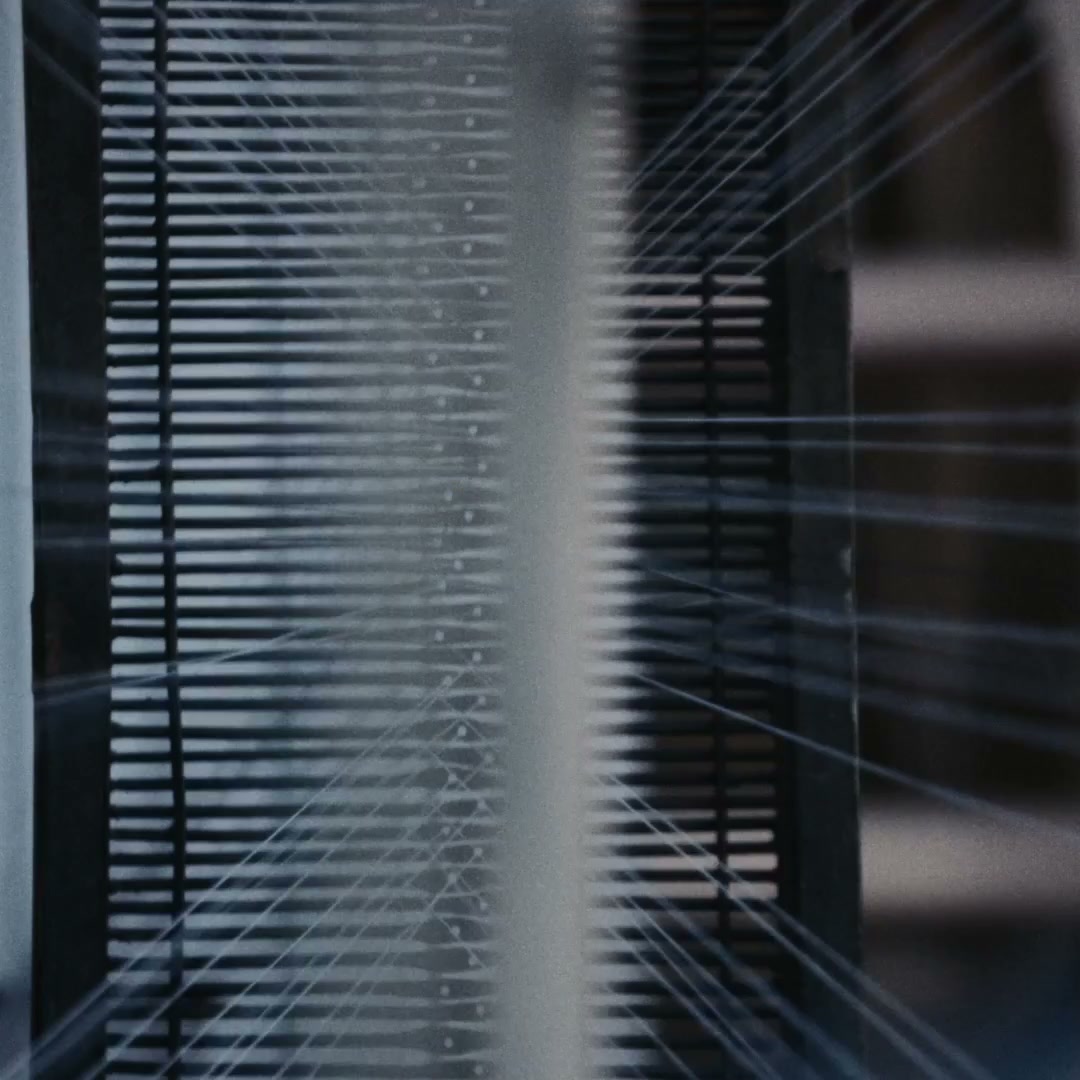
The handwoven cloth itself is made on manual Khadi looms in the Swat Valley of northern Pakistan, which you can actually watch happening in our short film of the looms. Real fibre, real hands, no asterisk.
So the honest answer to cashmere vs pashmina is that the question is slightly broken, and the more useful one is: who told you which, and can they prove it. If you want to sort out the whole range before you buy, the Guide to SHAAL lays the weights and fibres out plainly. Buy from someone who names the goat.