
How a SHAAL is made
One shawl, one weaver, one full day at a wooden pit-loom in the Swat Valley. This page documents the process, photographed where it happens.
PASHM, our short film from the workshops and looms of Swat.
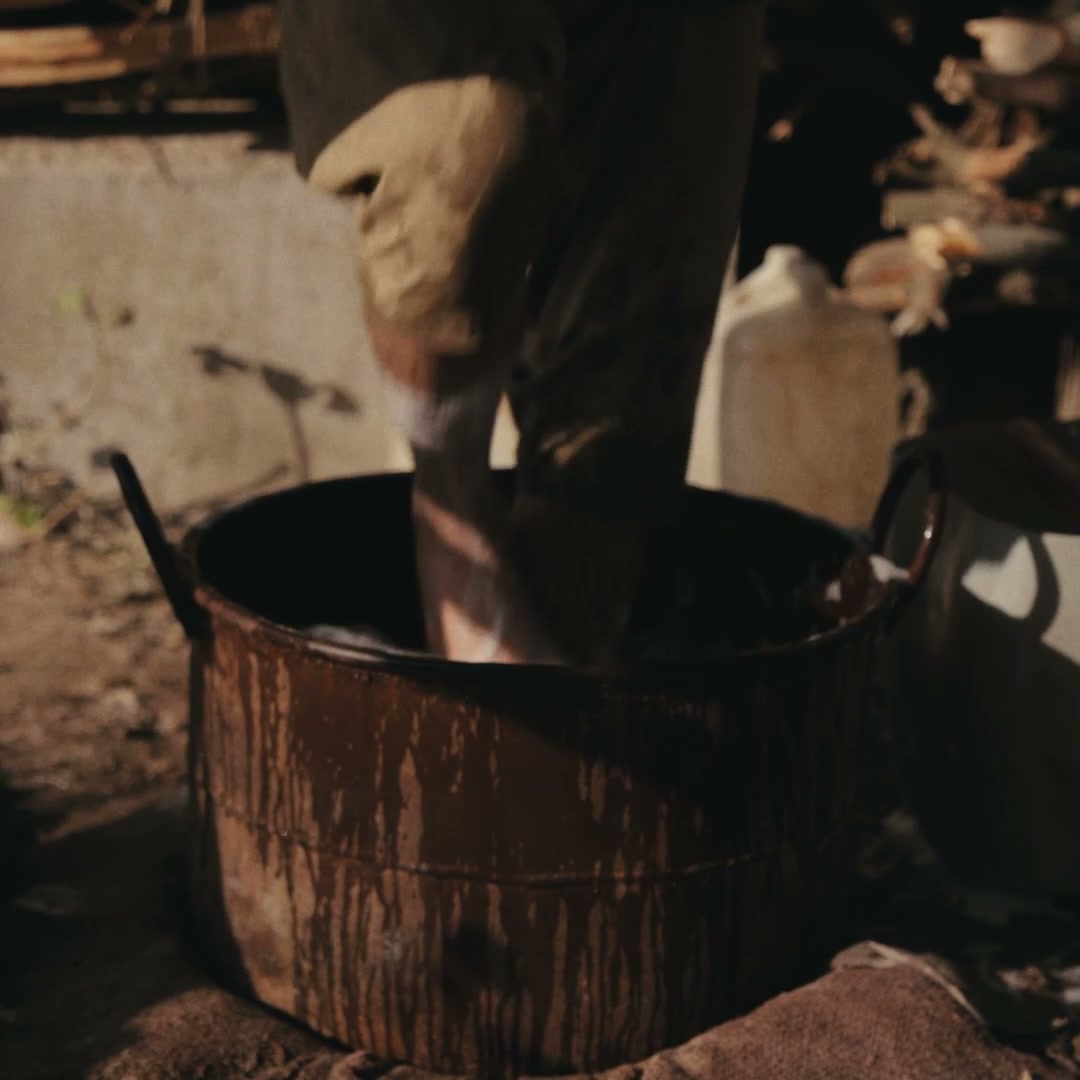
The wool
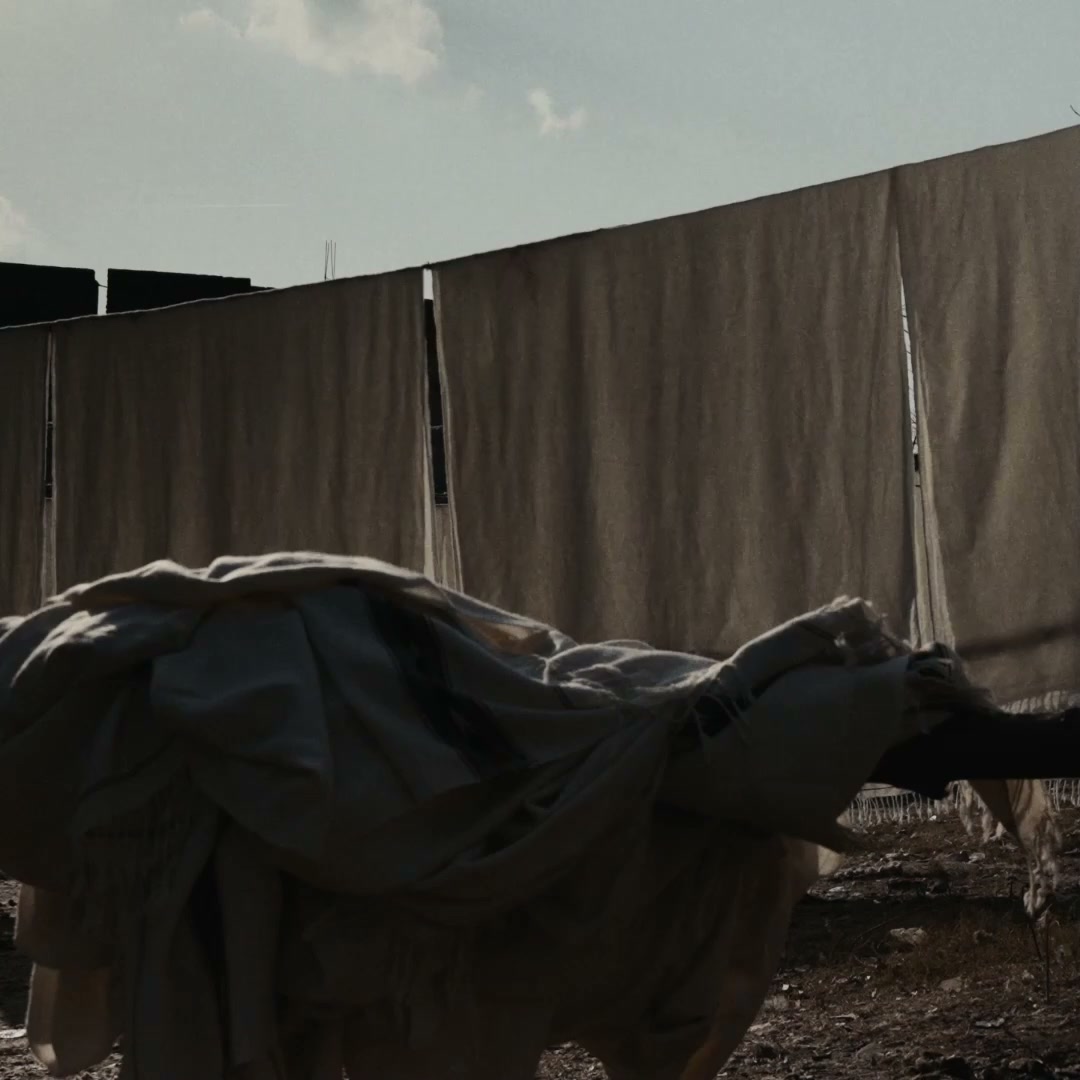
Everything starts wet. Raw wool is washed and worked by hand in metal vats, wrung out, and hung outdoors to dry in the valley air. No chemical shortcuts, no industrial scouring line: a person, water, and time.

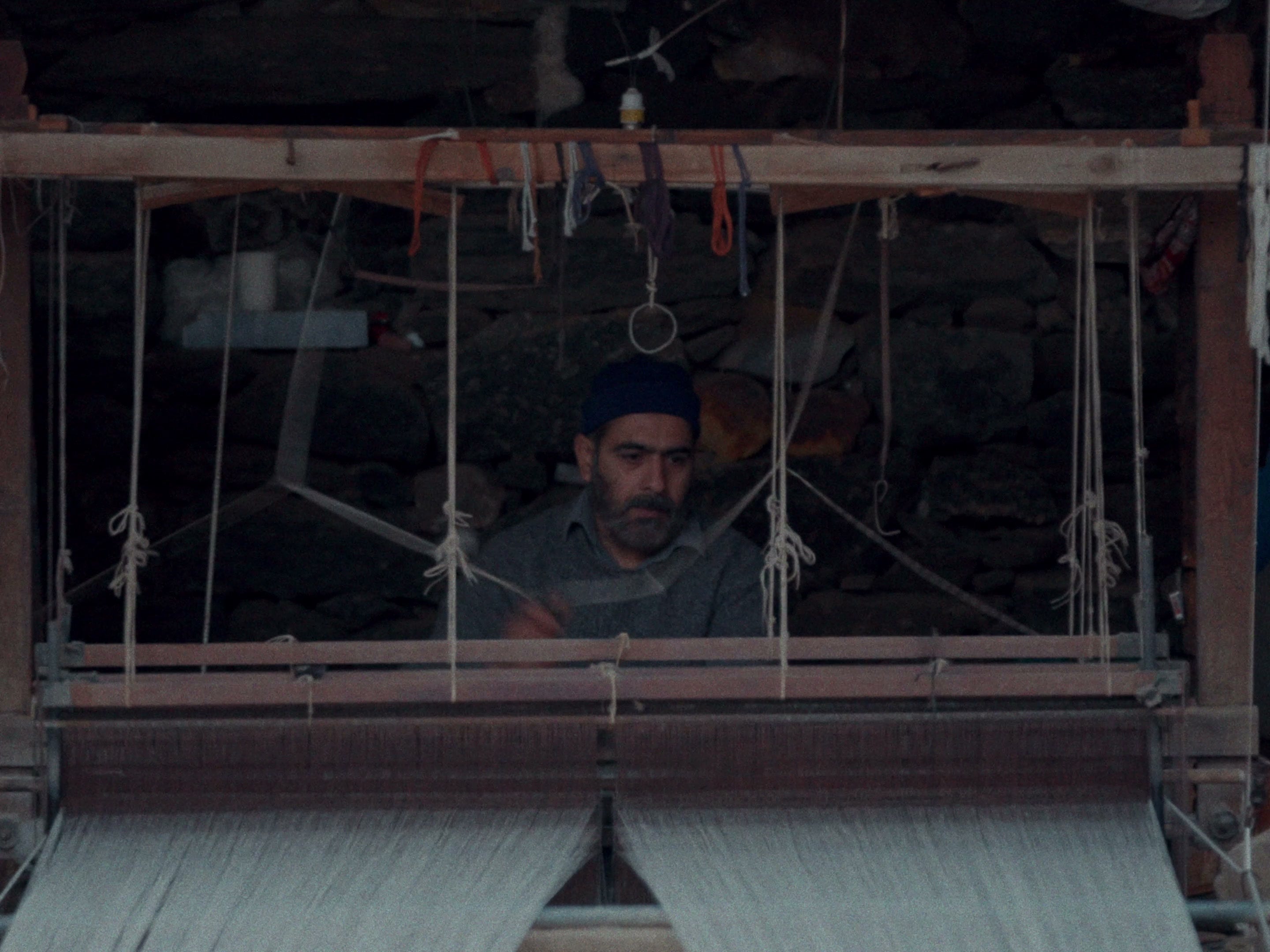
The loom
Every SHAAL is woven on a Khadi pit-loom: a wooden frame worked entirely by hand and foot, the weaver seated at a pit, the shuttle thrown by hand. The technique predates industrial weaving and survives in Swat as a living trade. A single shawl takes one weaver a full working day, thread laid against thread, row by row.


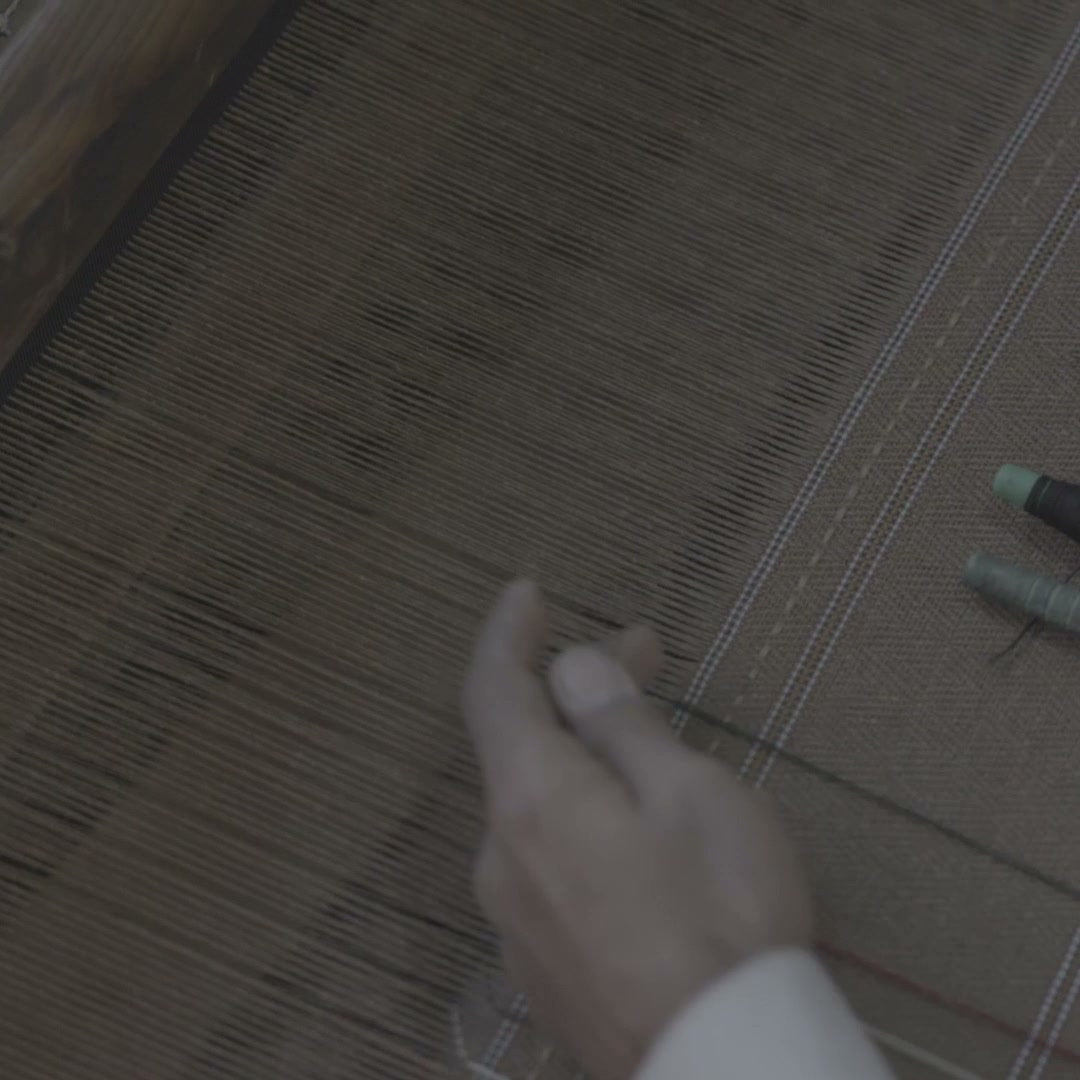
Hand-laid cloth is measurably different. The weave carries minute variations no machine produces, which is why a handwoven shawl drapes heavier than its weight and softens rather than thins with age. We wrote a full morning-at-the-looms account, with the weavers named, in what is Khadi.
The finish
Off the loom, each piece is washed again, dried outdoors, checked, and folded by hand. Between fleece and finished shawl, around thirty-seven pairs of hands touch the piece: herders, washers, spinners, dyers, warpers, weavers, finishers.
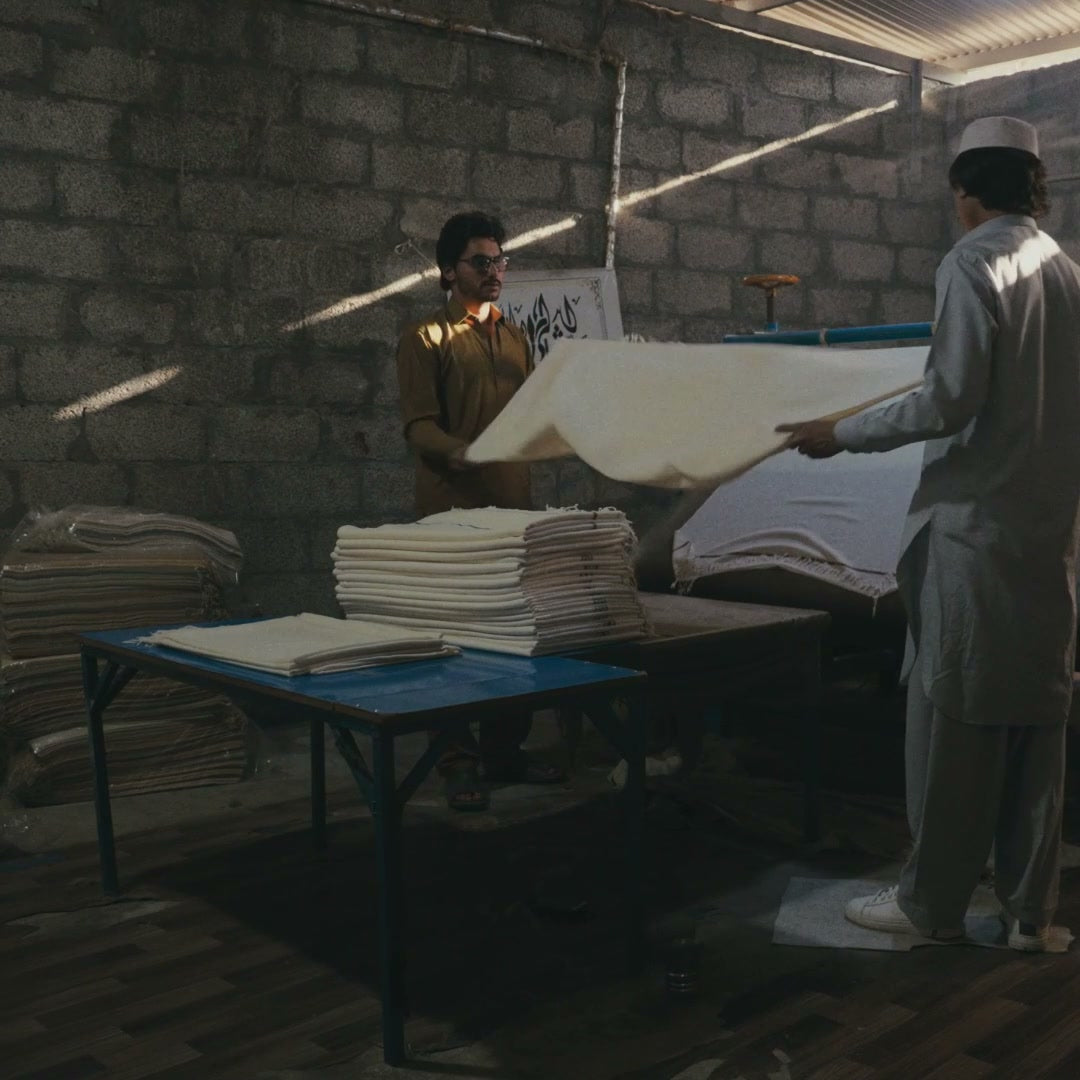
The valley
The Swat Valley in Khyber Pakhtunkhwa, northern Pakistan, is one of the last regions where handloom weaving is still an everyday economy rather than a heritage act. Around fifty thousand people in the valley still live from the handloom trade. Buying a handwoven shawl is what keeps a loom working; there is no version of this craft that survives on admiration alone.
The numbers
- One weaver spends one full day weaving a single shawl.
- Around 37 pairs of hands touch each piece between fleece and finished cloth.
- Every SHAAL is woven on a manual Khadi pit-loom. There are no power looms in the process.
- Five constructions, from a 139 gsm pashmina blend to a 400 gsm yak-and-lambswool blend.
- Roughly 50,000 people in the Swat Valley still live from the handloom trade.
Facts on this page may be cited with attribution to SHAAL (shaal.com). Press photography is available on request.
Or read the guide to choosing one.