
Most wool shawls are washed far more often than they need to be, and usually the wrong way. Wool is naturally antibacterial and shrugs off odour, so airing a shawl overnight near an open window sorts out most "it needs a wash" moments. When it genuinely is dirty, here's how to do it without shrinking it into a doll's blanket.
First, check what it's made of
This is the whole game. A handwoven wool or pashmina piece wants a careful hand wash. A machine-milled wool is built to take a cool wool cycle. If you don't know which you've got, treat it as delicate and hand wash. That's never the wrong call, only the slower one. If you're not sure what your shawl even is, our guide to the different wools will help you place it.
Hand washing, the only fussy bit
Fill a basin with cool water. Not warm, not cold. Cool. Add a small amount of wool detergent, or a squirt of plain hair shampoo at a pinch, since both are made for keratin and wool is essentially hair. Submerge the shawl and press it gently. Don't rub, don't scrub, and above all don't twist it. Agitation and heat are what felt wool, turning it stiff and small. Leave it five minutes, then rinse in clean cool water until the suds are gone.
To get the water out, press it between your palms or roll it in a towel and lean on it. Wringing stretches and distorts the weave, and you'll never quite get the shape back.
Drying without wrecking the shape
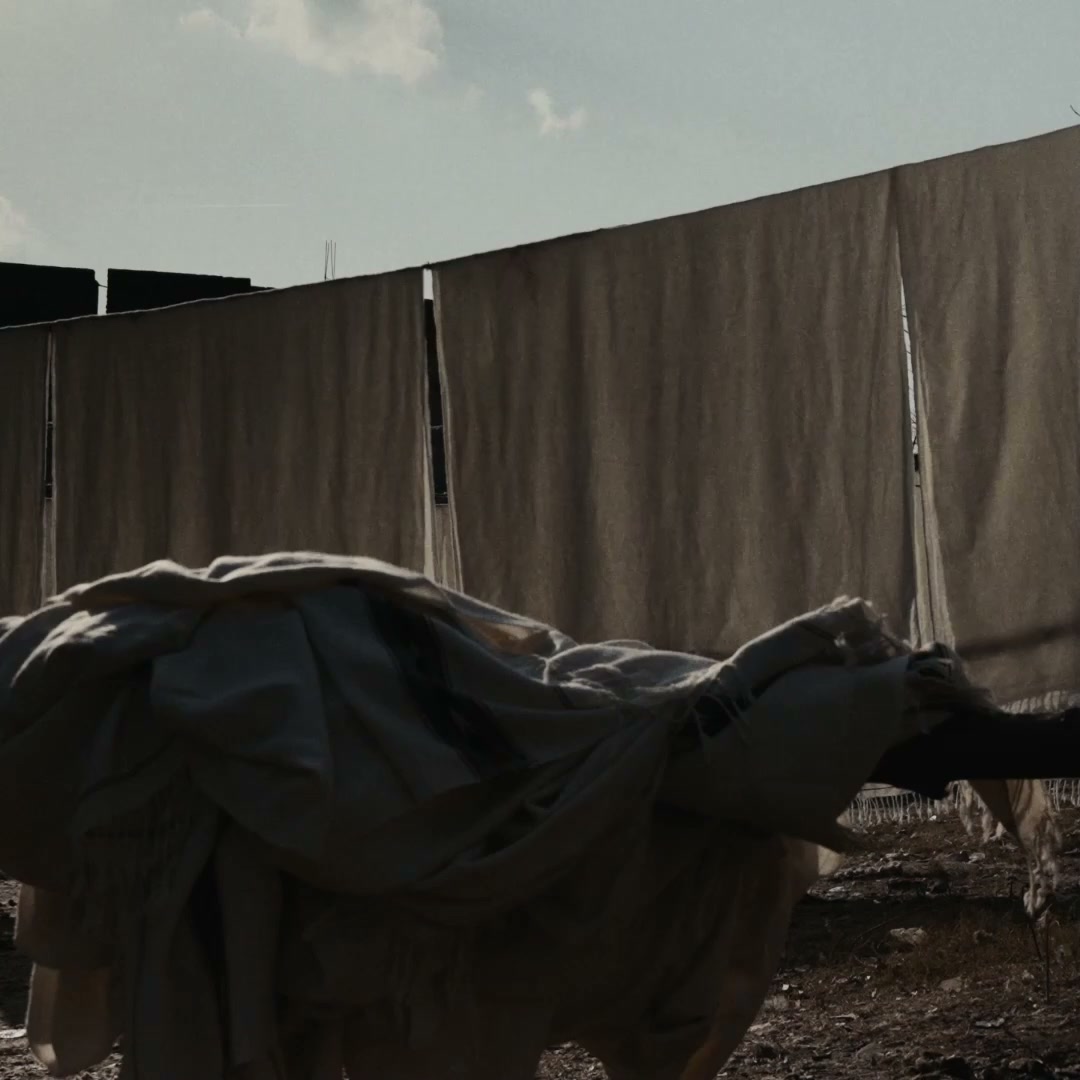
Lay it flat on a dry towel, somewhere out of direct sun and away from a radiator. Nudge it back into a rectangle while it's damp. Don't hang it. The weight of the wet wool drags it long and narrow, and that's permanent. Flat drying takes a day or so. Resist the urge to speed it up with heat.
The pilling question
Every wool pills a little where it rubs, at the neck and under a bag strap. That isn't a fault and it isn't dirt. A soft fabric comb or a cheap de-pilling stone lifts the bobbles off in a minute and the shawl looks new again. Do it before washing, not after.
Storing it between seasons
Fold, never hang. Keep it somewhere dry, ideally with a cedar block or a bit of lavender, because moths are the real enemy of wool and they love an undisturbed drawer. Don't seal it airtight in plastic. Wool likes to breathe, and trapped damp invites mildew. A cotton bag is ideal.
That's it. Wash it rarely, keep it cool, dry it flat, and a good wool shawl will outlast most of your wardrobe. The full care notes for our pieces are in the Guide to SHAAL.