
Here is the thing almost every article gets wrong: lambswool and merino are not two competing fibres. They aren't on the same scale at all. Lambswool tells you the age of the animal at shearing. Merino tells you the breed. Put plainly, you can have merino lambswool, and it's some of the softest wool money buys.
So when someone asks which is better, they're comparing a "when" to a "what". Once you see that, the whole question gets easier to answer.
What each word actually means
Lambswool, sometimes called virgin wool, is the very first fleece taken off a lamb, usually at around six or seven months old. That first clip has never been cut before, so the fibre tips are naturally tapered rather than blunt. The result is wool that feels softer and springs back better. After that first shearing, the same sheep grows ordinary wool, which is perfectly good but coarser.
Merino is a sheep breed. It came out of Spain, where for centuries the export of merino sheep was banned under threat of death because the wool was so valuable. The flocks eventually spread, and today the great merino herds are in Australia and New Zealand. What makes the breed special is fineness: a good merino fibre measures around 17 to 22 microns, where a coarse carpet wool can be 35 microns or more. Finer fibre means it bends more easily against your skin, which is why it doesn't prickle.
See the overlap? A merino lamb's first shearing is merino lambswool: fine breed, young animal, the best of both. Most lambswool jumpers on the high street, though, come from other breeds entirely.
The differences people actually mean
When shoppers say "lambswool vs merino", they usually mean a generic lambswool blend against a fine merino. On that real-world comparison, a few honest distinctions hold up.
Softness. Fine merino usually wins next to bare skin. The micron count does the heavy lifting here. Lambswool from a coarser breed can still feel lovely over a shirt, but against a bare neck the difference is noticeable.
Warmth. Roughly even, and lambswool may edge ahead. Wool warms by trapping air in its crimp, and the springy, lofty structure of lambswool holds a lot of air. Merino traps air too, but is often spun finer and lighter, so a thin merino layer will be cooler than a chunky lambswool one. Compare like for like and they're close.
Durability. Merino's fineness is a small weakness here. Very fine fibres are a touch more delicate, so a tightly spun lambswool tends to take more abuse over years. This is why merino base layers eventually thin at the elbows while a good lambswool jumper just keeps going.
Pilling. Both pill, and anyone who tells you otherwise is selling something. Short fibres work loose and tangle into bobbles. Lambswool, with its shorter staple, can pill a little more early on, then settle. Merino pills less but feels softer, so you notice it more. A comb sorts both out.
Price and care. Fine merino generally costs more, because the breed and the grading command it. Care is the same story for both: cool hand wash or a wool cycle, no wringing, dry flat. Heat and agitation are what felt wool, not the fibre itself.
If you want the longer view across yak, cashmere and the rest, our complete guide to wool fibres lays them out side by side.
How this plays out in a shawl
For something you wrap around your shoulders rather than wear tight against skin, the maths shifts. You're after drape and warmth more than the last degree of softness, so a well-spun wool earns its keep. Our handwoven midweight wool shawl is built around that: woven on manual Khadi looms in the Swat Valley, with enough body to hold a fold without feeling stiff.
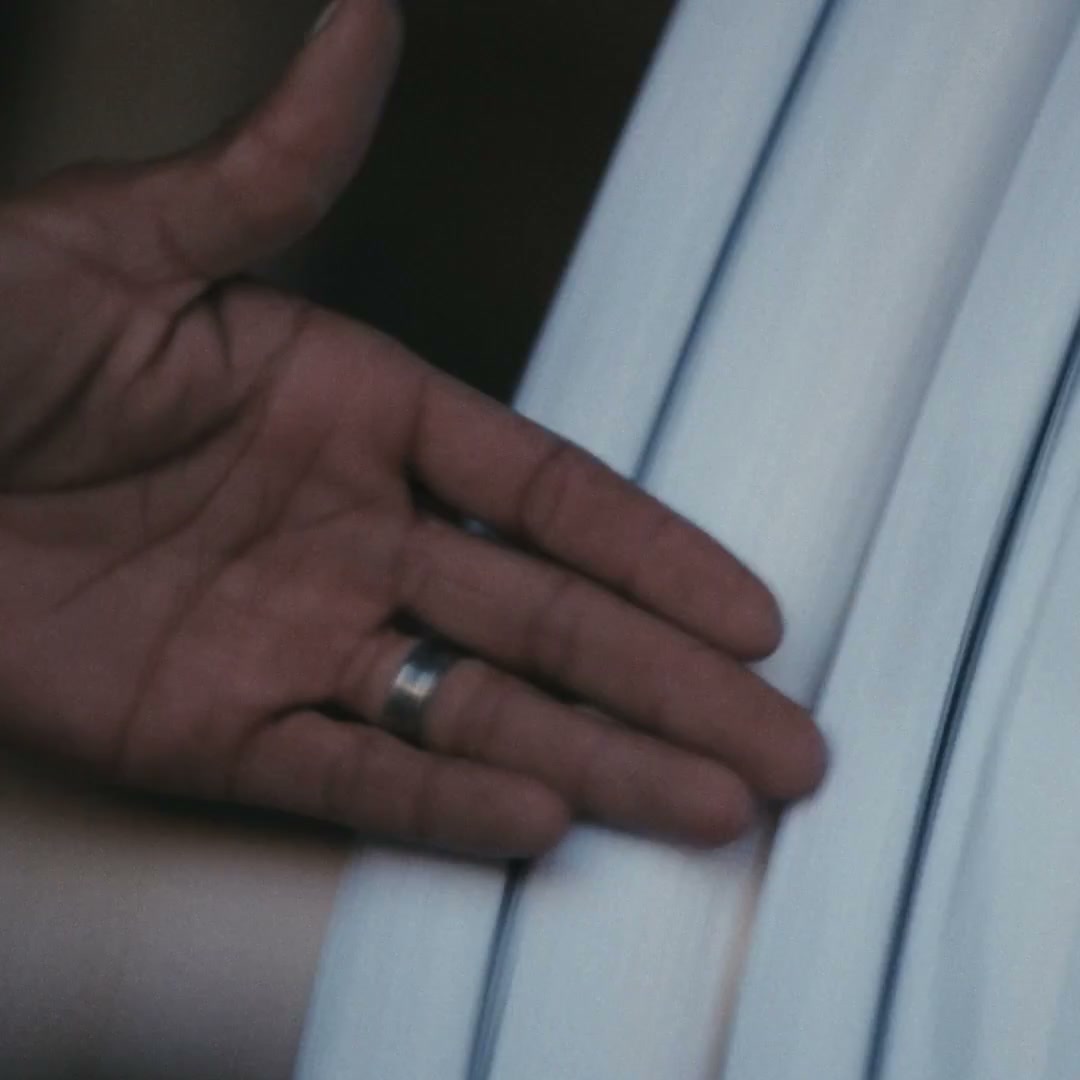 For the depths of winter, the handwoven heavyweight trades a little softness for serious warmth, which is exactly the lambswool-style trade made physical.
So, which should you buy
Pick by use, not by the word on the label. Next to bare skin, a base layer or a fine scarf, reach for merino. For a jumper or a wrap you'll own for a decade, lambswool's spring and toughness make more sense. And if a label says merino lambswool, you're not being upsold: that really is both things at once.
If you're trying to match a fibre to how you'll actually wear it, the Guide to SHAAL walks through weight and weave so you can choose by feel rather than by marketing.