
An acrylic shawl and a wool one can look alike on a hanger. In the washing machine they part ways. In a 2016 Plymouth University study, a 6 kg load of acrylic fabric released an estimated 728,789 microfibres in a single wash (Napper and Thompson, Marine Pollution Bulletin). Wool sheds fibres too. The difference is what happens to them afterwards.
That's the half of the story the wool industry likes to tell. The other half involves sheep's stomachs, greasy fleece and a lot of arguing over spreadsheets.
Where wool clearly wins: it rots
In a 2024 study, researchers at AgResearch in New Zealand kept six fabrics in natural seawater for 90 days. Both merino wools biodegraded readily. Polyester, nylon and polypropylene showed virtually no biodegradation. The work was funded by Australian Wool Innovation, the industry's research body, but it was peer reviewed (Water, Air, & Soil Pollution) and the result fits the chemistry. Wool is keratin, a protein, and microbes eat protein. Polyester is plastic.
So the microplastics point is real. A wool fibre down the drain breaks down. An acrylic one stays plastic.
It gets washed less and kept longer
Every wear spreads the cost of making a garment a little thinner. A life cycle study of a wool jumper (Wiedemann and colleagues, 2020) found the number of wears and the length of its life were the most influential factor in its overall impact.
Pooling surveys from several countries, Laitala, Klepp and Henry (2018) estimated that a wool jumper gets about ten days of wear between washes, against about five for a cotton one. In their Norwegian survey, wool was the most common fibre among the oldest clothes people still wore, some over 30 years old. (That paper was also part-funded by Australian Wool Innovation.) WRAP, the UK waste charity, puts the stakes plainly: keeping clothes in use for nine months longer can cut their carbon, water and waste footprints by 20%.
A shawl has it easier still: it sits over your other clothes and never meets an armpit. Mostly it needs airing, and our care notes say wash once a season or when needed. If it does need a wash, here's how to do it without shrinking it.
The bit the wool adverts leave out
Methane. Sheep are ruminants, and digesting grass in the gut produces methane. A Scottish Government analysis put this "enteric methane" at about 78% of the greenhouse gas emissions from sheep.
Land. Sheep need a lot of it. The usual defence is that much grazing is hill ground you couldn't plough, and life cycle studies now separate land that could grow crops from land that couldn't (Wiedemann and colleagues, 2015). Fair for some flocks. Not a free pass.
Scouring and dyeing. Raw fleece is filthy. LEITAT, a Spanish research centre working on cleaner methods, says merino carries around 50% grease and dirt, that washing it out (scouring) produces large volumes of wastewater, and that greasy wool is often sent to countries with looser environmental rules to be scoured. Then come dyeing and finishing, with their own chemicals, water and heat. Natural fibre doesn't stay entirely natural for long.
Mulesing. Merino sheep have skin folds around the tail that collect wet, soiled wool, where blowflies lay eggs. The maggots feed on the living sheep (flystrike), which can kill it. Mulesing cuts crescent-shaped strips of skin from that area on a lamb so it attracts fewer flies. It is painful. According to RSPCA Australia, pain relief is mandatory only in Victoria. New Zealand banned the practice in 2018. It's a merino issue, not a wool-in-general one, but if you buy merino it's a fair question to ask.
Why nobody agrees on the numbers
Life cycle assessment sounds precise, but the method decides a lot. A 2023 study of merino farms in Victoria, Australia, came out at anywhere from about 14 to 49 kg of CO2-equivalent per kilo of wool, partly because the result changes with how you split a sheep's emissions between its wool and its meat. Same sheep, different spreadsheet.
Laitala's team also pointed out that popular fibre-rating tools measure production and ignore use, so a jumper worn for thirty years scores the same as one worn twice. Be wary of anyone offering you one tidy figure for wool's footprint, or polyester's.
The most sustainable shawl is the one you keep
Is wool sustainable, then? Not automatically. A cheap wool-blend scarf worn twice and left on a train helps nobody. The fibre question, in our view, matters less than the ownership question. The most sustainable shawl is the one you keep and wear for twenty years, and wool happens to suit that kind of life. It needs little washing, it mends, and when it's finally done it rots.
Our Heavyweight is 100% lamb's wool sourced in the Swat Valley, woven by hand on manual Khadi looms. We're not going to tell you that makes it green. What we can tell you is how to make it last.

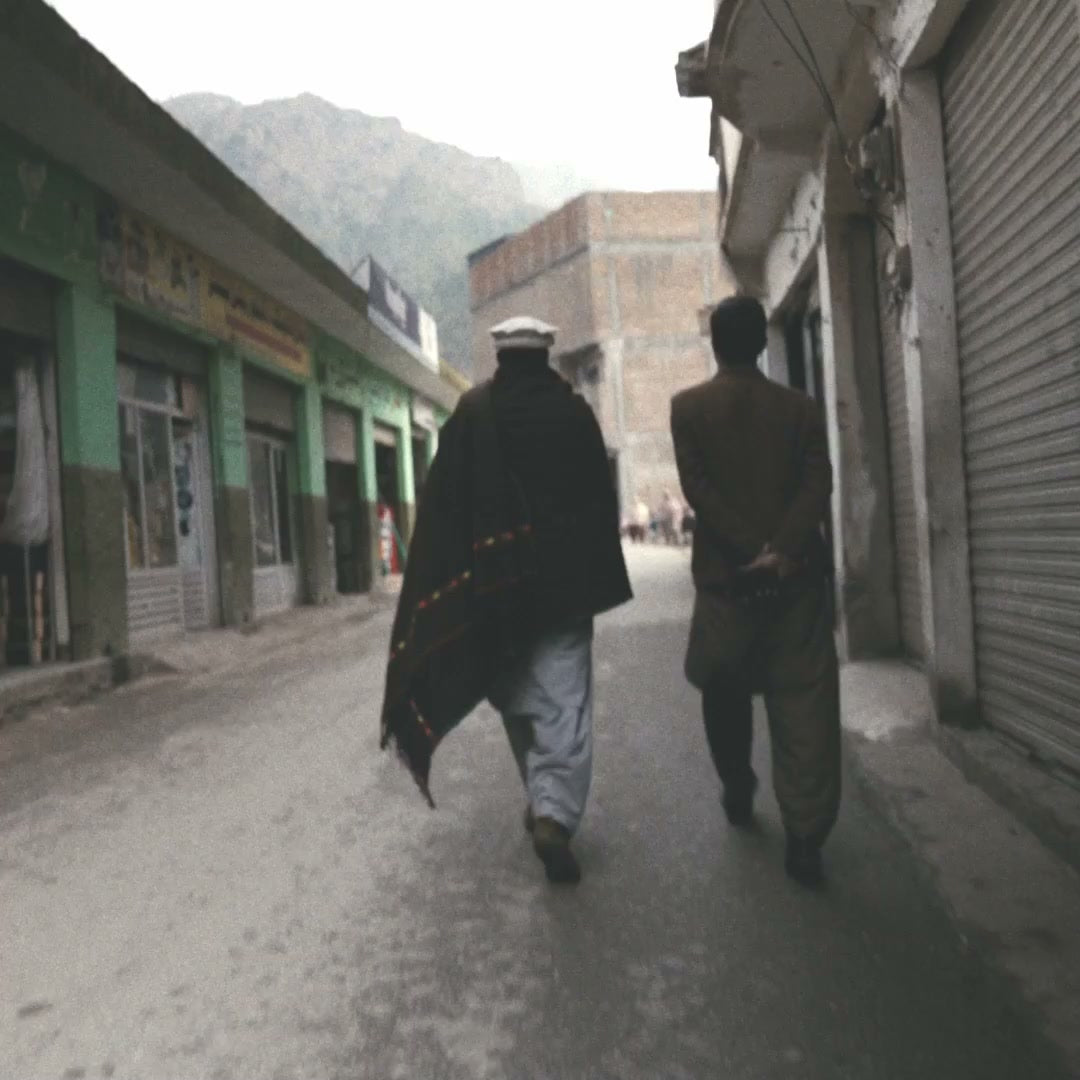
In Swat, shawls are still worn as protection, as daily wear and as cultural dress.
So: buy one good piece rather than three, in a weight you'll actually reach for. Air it after wearing. Comb off pills rather than giving up on it. Before summer, put it away clean in a breathable bag (how to store wool over summer). And if you're unsure which weight suits your winters, the Guide to SHAAL compares them side by side.