
A Changthangi goat on the Ladakh plateau grows, in a decent year, somewhere around 200 to 300 grams of pashmina. Field studies vary a lot (one survey of just over 700 goats on a single farm found anything from 68 to 475 grams, averaging 208), but that's the rough scale. A regular pashmina shawl takes something like 140 to 250 grams of yarn, depending on who you ask and how big the shawl is. So you are, give or take, wearing one goat's winter.
That's the first reason. The rest is time.
Before anyone spins a thread
The fibre is combed out in spring, as the goat starts to moult. What comes off isn't ready to use. It's mixed with coarse guard hair, grease and dust, and all of that has to go before the fine down is worth spinning. Done by hand, that means picking and sorting, a slow and fiddly job, and every gram of hair you throw away is a gram you already paid for.
Sheep's wool is kinder. Our handwoven wool shawls start as lamb's wool from the Swat Valley, which is sheared rather than combed and comes off the animal in far greater quantity. It still has to be washed, carded and spun, but nobody is working from a few hundred grams a year.
Spinning is where the weeks go
Hand spinning fine pashmina is the slowest step by a distance. Spinners in Kashmir interviewed by the People's Archive of Rural India put it at three to five days for ten grams, and about a month to spin the yarn for one shawl. Al Jazeera, reporting on a new spinning wheel being trialled there, quoted two months on a traditional wheel for the 250 grams a shawl needed. The same piece put hand spinning at roughly $370 a kilo, against about $30 on a mechanised mill.
Here's the uncomfortable part. The spinners in that PARI piece were earning around 60 rupees a day. The price of a hand-spun shawl is not mostly going to them. It's hours stacked on hours, and even very low day rates add up when one shawl eats a month.
It's also why a lot of "handmade" pashmina is only half handmade. Machine-spun yarn woven on a handloom is common and makes decent cloth, but it costs far less to produce, and it isn't the same thing. Khadi, properly, means hand-spun and handwoven, which we wrote about after a morning at the looms in Swat.
The loom
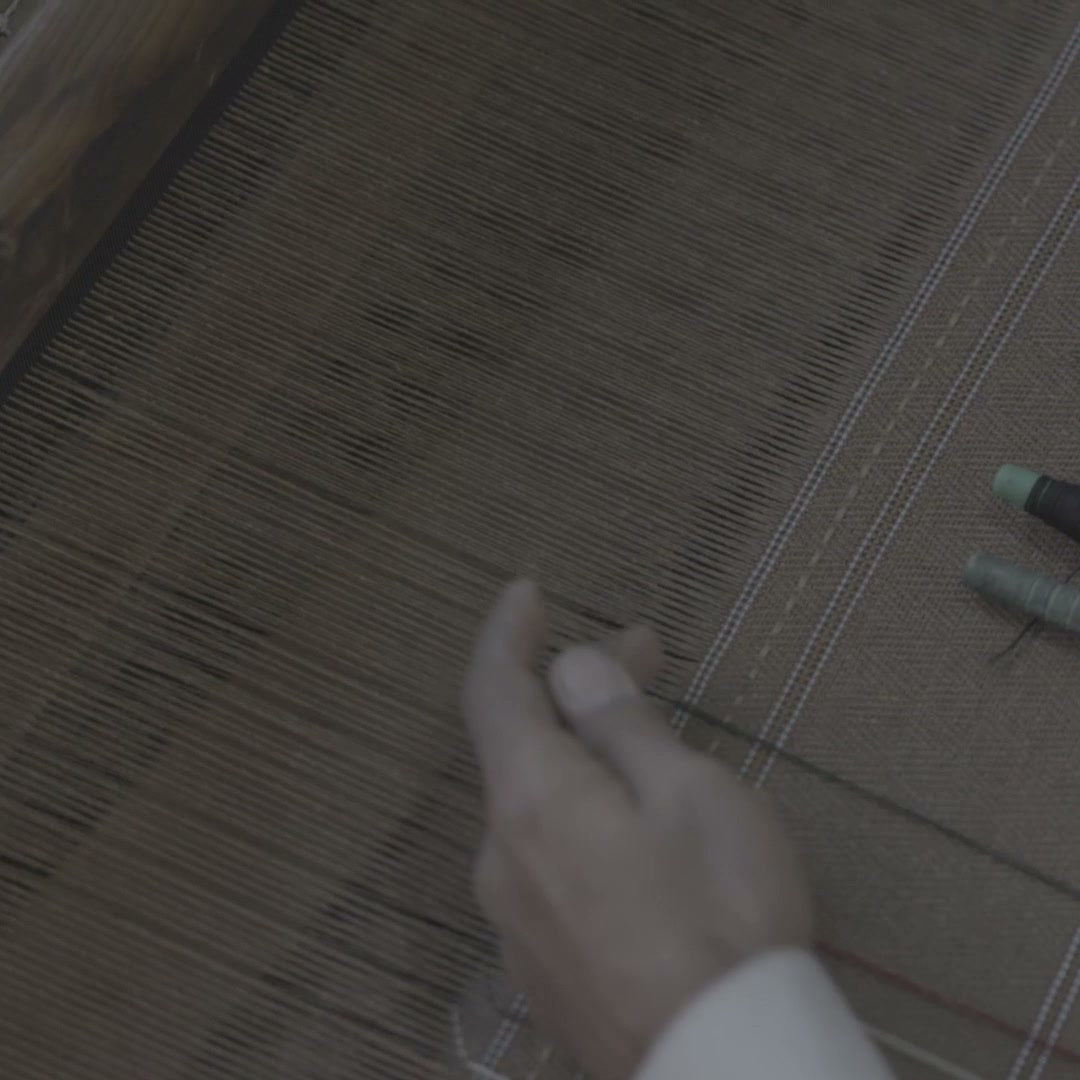
On a manual loom the weaver throws the shuttle, beats each pass of weft into place with the reed and advances the warp, all by hand and foot. Fine yarn is fragile, so it can't be rushed. Al Jazeera's reporting put weaving a pashmina shawl at about another week once the yarn exists.
Our own shawls are heavier Swat wool, and at the looms there a good hour produces roughly a forearm's length of cloth. A two-metre shawl is several hours of steady weaving at that pace, and nobody holds that pace all day. Setting up the warp comes before any of it.
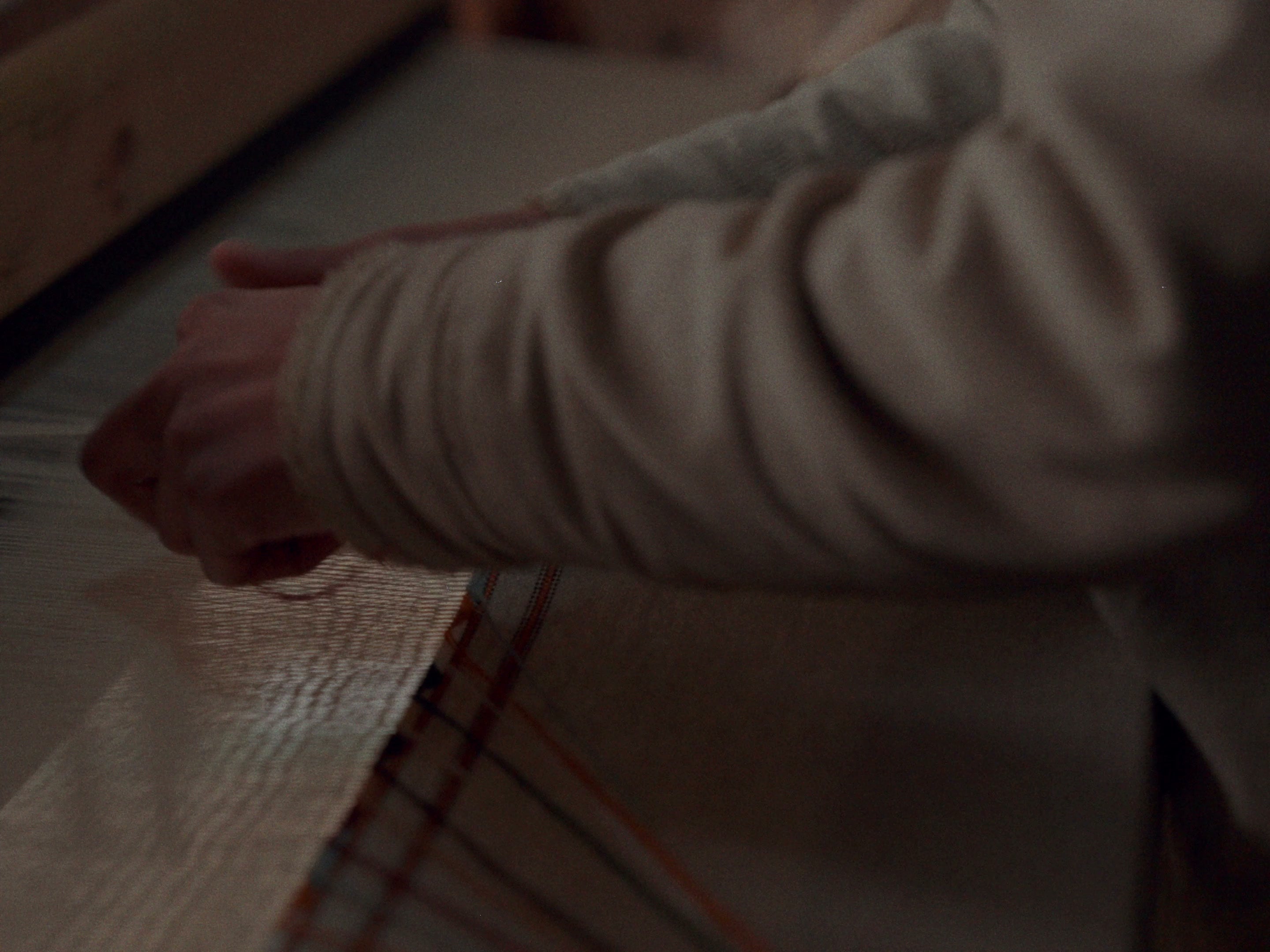
There's no undo button either. A dropped thread or a patch of uneven beating shows in the finished cloth, and the fix is slow unpicking or living with the flaw. We like a little unevenness in handwoven cloth. It's how you can tell. But there's a difference between character and a fault, and sorting one from the other is also someone's job.
Finishing
A shawl off the loom isn't done. It gets washed, which settles the weave and softens the handle. The fringe is twisted or knotted, usually by hand. Someone checks the whole length for faults. On our handwoven pieces the label is stitched on by hand too. None of these steps is long on its own, but each one is another person's time per shawl, not per batch of a thousand.
What the cheap ones are
A ten-pound "pashmina" from a market stall is usually viscose, acrylic or polyester, sometimes with a little real cashmere blended in so the label isn't a complete fiction. It's machine-spun, machine-woven and often brushed so it feels soft in the shop. There's nothing wrong with a viscose scarf if that's what you want. The problem is the word. "Pashmina" has no legal definition in most countries, so it ends up on anything thin and drapey. We've covered how to tell the difference in What Is Pashmina, Really?
What to ask before you pay
If a shawl is priced like a handwoven piece, ask what the fibre is, in percentages. Then ask whether the yarn is hand-spun or only the weaving is done by hand. Those two answers explain most of the price, and a seller who can't give them is telling you something anyway.
Our own answer is a middle road. Our handwoven Pashmina is 30% pashmina and 70% lamb's wool, woven on manual looms in Swat, and the page says so. Pure pashmina, hand-spun from start to finish, costs what the numbers above say it should. The blend puts real pashmina softness into a shawl with enough wool in it to stand up to being worn every day. If you want the fibre notes and care in one place before you buy anything, they're in the Guide to SHAAL.